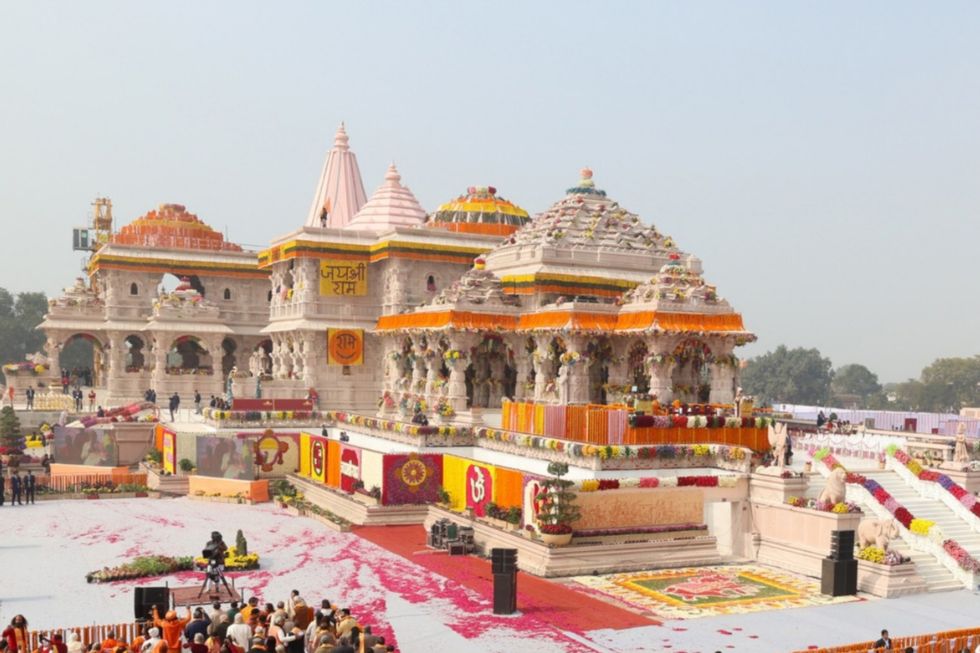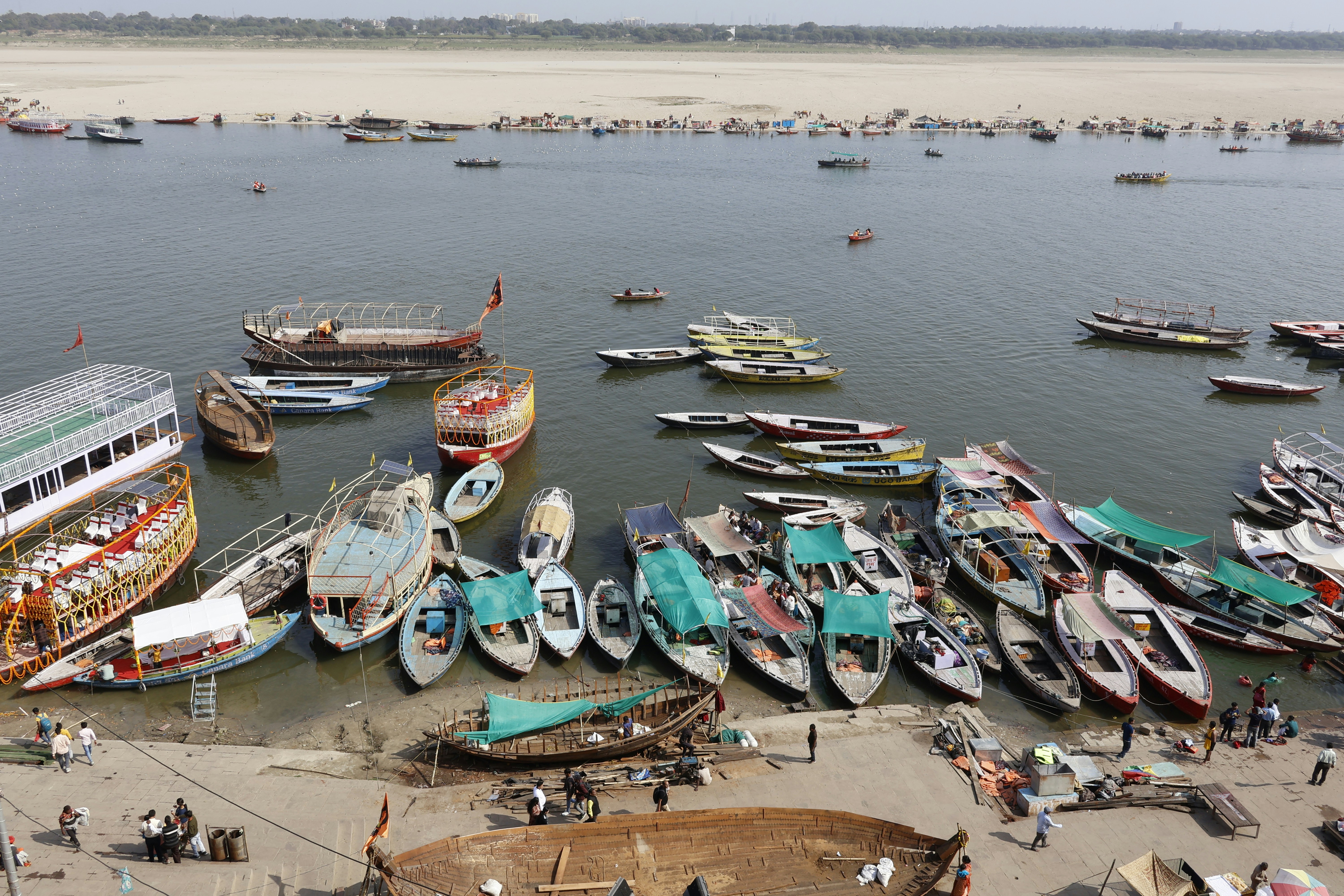
Varanasi has 84 iconic ghats along the Ganges. This complete guide tells you which ghats to visit, what to do there, and the best time to explore — written by locals who walk these steps every day.
Why Varanasi's Ghats Are the Heart of Kashi
Stretching nearly 7 kilometres along the western bank of the sacred Ganges, Varanasi's 84 ghats are not merely stone steps leading to a river — they are living, breathing chapters of India's oldest city. Every ghat has a story, a deity, a ritual, and a community that has kept that tradition alive for centuries. Whether you are a first-time visitor or a seasoned pilgrim, understanding the ghats is the key to truly experiencing Kashi.
At Viraj Travels, our guides were born and raised in Varanasi. We walk these ghats every morning. This guide is our honest, insider take — not a generic list copied from Wikipedia.
The Most Important Ghats You Must Visit
1. Dashashwamedh Ghat — The Grand Stage
This is the main ghat of Varanasi and the site of the famous Ganga Aarti held every evening at sunset. Seven priests perform a synchronised fire ritual with large brass lamps, incense, and conch shells — drawing thousands of devotees and travellers from around the world. Arrive at least 45 minutes early to get a good spot on the steps or book a boat from us for the best river-view.
Best time to visit: Evening 6:30–7:30 PM for Aarti | Sunrise for peaceful morning puja
2. Manikarnika Ghat — The Sacred Cremation Ghat
Manikarnika is the most sacred cremation ghat in Hinduism. Hindus believe that dying in Kashi grants moksha — liberation from the cycle of birth and death. The fire here is said to have been burning continuously for over 3,500 years. Visitors are welcome to observe respectfully from a distance. Photography is strictly prohibited. Our guides ensure you approach this ghat with the sensitivity it deserves.
Note: Please do not accept unsolicited "guide" offers here — our team can escort you safely.
3. Assi Ghat — The Cultural Hub
Assi Ghat is where Varanasi's intellectual and artistic soul lives. This is where the famous Subah-e-Banaras morning cultural programme takes place, featuring classical music, yoga, and sunrise prayers. The ghat is also a favourite among students, artists, and long-stay travellers. The area around Assi is lined with chai shops, bookstores, and local restaurants.
Best time to visit: Early morning 5–7 AM for Subah-e-Banaras | Evenings for cultural gatherings
4. Scindia Ghat — The Tilted Temple
Famous for its partially sunken Shiva temple that leans dramatically into the river — a result of centuries of erosion. The ghat has a quiet, photogenic quality that makes it a favourite with photographers and painters. Nearby is the Ratneshwar Mahadev Temple, which is submerged almost entirely during monsoon.
5. Panchganga Ghat — Five Sacred Rivers Meet
Believed to be the confluence of five sacred rivers (Ganges, Yamuna, Saraswati, Dhutpapa, and Kiran), Panchganga Ghat holds great religious significance. The Alamgir Mosque sitting atop the ghat is a stunning example of Mughal architecture. The view from the river during boat rides is particularly striking.
6. Harishchandra Ghat — The Second Cremation Ghat
Varanasi's other cremation ghat, named after the legendary king Harishchandra who worked here as a dom (cremation attendant) to uphold truth. Less crowded than Manikarnika, it has a solemn atmosphere. An electric crematorium also operates here for those who opt for it.
Varanasi Ghat Boat Ride — What to Expect
A boat ride along the ghats at sunrise is the single most recommended experience in all of Varanasi. Gliding silently on the Ganges while the city wakes up — bells ringing, priests chanting, pilgrims bathing — is unlike anything else in India.
- Duration: 60–90 minutes covers the main ghat stretch
- Best time: Sunrise (5:30–7 AM) from October to March
- What you'll see: Morning rituals, yoga on ghats, laundry dhobi ghats, temples, the iconic skyline
- Booking tip: Book through Viraj Travels to avoid overpriced touts
When Is the Best Time to Visit Varanasi Ghats?
| Season | Months | Ghat Experience |
|---|---|---|
| Winter (Best) | Oct – Feb | Cool mornings, clear water, festivals like Dev Deepawali |
| Summer | Mar – May | Hot but less crowded; good for spiritual seekers |
| Monsoon | Jun – Sep | Flooded lower ghats; dramatic atmosphere; some ghats inaccessible |
Tips for Visiting the Ghats — From a Local
- Wear comfortable footwear you can easily remove (many ghat temples require bare feet)
- Carry a small bag — the lanes of Kashi are narrow and crowded
- Dress modestly — covered shoulders and knees show respect
- Don't bathe in the Ganges if you have any open wounds or health issues
- The best walk is from Assi Ghat to Raj Ghat — do it early morning
- Beware of "free" guides who appear friendly — genuine guides work through licensed agencies like Viraj Travels
Book a Ghat Tour with Viraj Travels
Our Varanasi Classic Tour covers all the major ghats with an expert local guide who knows every story, every temple, and every ritual. We keep group sizes small so you get a genuine, personal experience — not a rushed tourist circuit.
📞 Call us or WhatsApp to plan your ghat experience today.